by Paul Breen
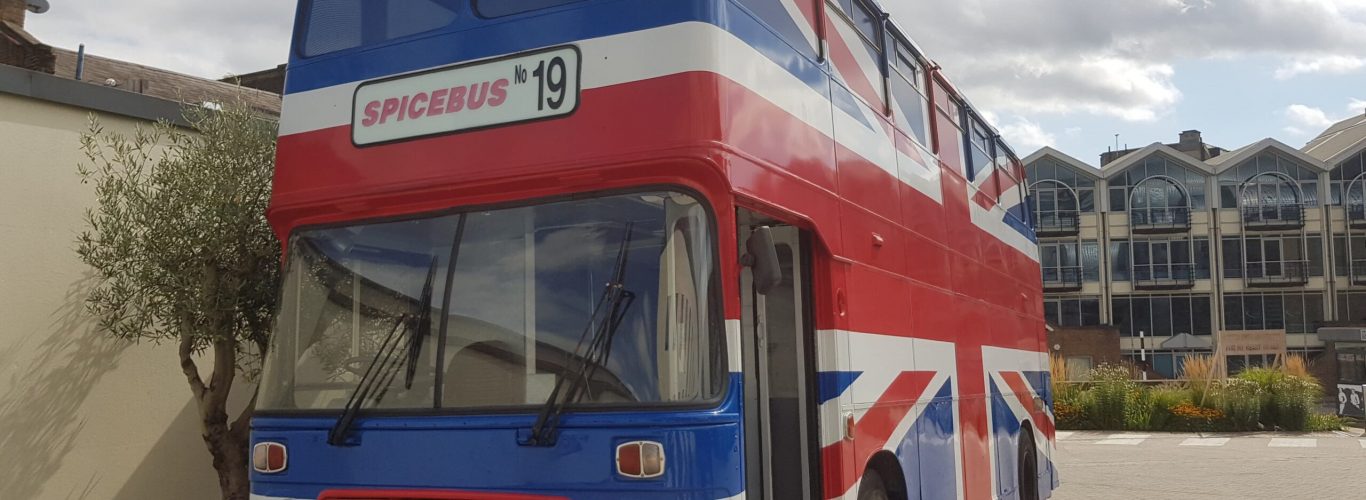
Tony Blair’s legacy in Britain and Ireland could be seen as a damaged shamrock; three leaves, each telling a different story. There’s the Good Friday Agreement, still the most significant political achievement in modern Irish and British relations. There’s Cool Britannia, that brief moment when Britain imagined itself as confident, modern and at ease with its past, regardless of class, economics and colonialism. And then there’s The Iraq War, a decision that continues to cast a long shadow over western claims to moral authority.
These three leaves of Blair’s legacy still shape ideas about Northern Ireland today. The 1998 Agreement in particular has settled in the British consciousness as both success and closure. Unlike Iraq, or more recent conflicts that remain raw and unresolved, this is seen as a war concluded. It’s a closed chapter, something placed carefully on a shelf like an old wedding album where the couple haven’t divorced but are only together for the sake of the kids.
That sense of closure has kept the peace but has had consequences. One of these is the persistence of a particular habit in British public life: the elevation of what’s seen as the middle ground in Northern Ireland. The figure who stands apart from unionism and nationalism / republicanism continues to be treated as the most reasonable voice in the room. It’s calm, balanced, and above the awfully-loud drumbeat of sectarianism, in a way that mirrors how many British people imagine themselves. It is a deep-rooted ideology that appears across British media and political commentary.
There have of course been critics of this tendency. Some of the sharpest voices have come from outside the mainstream, including The Pensive Quill, which has dissected the idea of a Northern Irish centre ground with particular force. Writing about what’s described as “Middle Earth,” they portray this space not as a genuine meeting point between traditions but as a self-contained world, detached from the historical and political realities that produced the conflict. In his account, the inhabitants of this mythical centre ground are participants in a narrative that allows them to avoid the constitutional question altogether.
People don’t have to share their politics to recognise the force of the critique. A space beyond constitutional politics is itself political. However, a middle ground mythology resonates in Britain because it aligns with deeper assumptions about Britishness. There remains a strong tendency, particularly within liberal culture, to see British identity as something essentially neutral. Not ideological, not historically entangled, but simply there. Institutions such as the monarchy or military are often seen this way. Because they are not tied to one political party or another, they’re imagined as standing above politics altogether.
Northern Irish politics is filtered through that same lens. To occupy the middle ground is to reflect this imagined neutrality. It is to rise above what competing loyalties and to adopt a position that appears more mature, more reasonable. Roy Greenslade once described Britain seeing itself as a piggy in the middle between two warring tribes. The phrase still captures something of how the situation is framed in the British, particularly English, consciousness.
But the middle ground is not outside the story. It is part of it. To ignore a position on sovereignty is, in practice, to accept the current constitutional arrangement. It is to accept partition as the default. That may be a perfectly legitimate view, but it is still a political one. What gives it particular appeal or mainstream ‘coolness’ is that it is rarely described in those terms. Instead it’s presented as common sense and a progressive slant.
The idea of a united Ireland, meanwhile, remains oddly distant within British cultural life. It is not so much rejected as quietly set aside, like that wedding album from a stormy marriage. Of course, there have been shifts. Shows such as Derry Girls have brought Northern Irish Catholic experience into British living rooms in a way that feels immediate and familiar. Adrian Dunbar and other celebrities have spoken publicly about the possibility of unity without that being treated as extreme. These moments matter because they begin to make certain conversations feel more ordinary. But they remain limited.
For the most part, advocacy for Irish unity still sits outside the boundaries of everyday British discussion. It is not excluded, but it is not a conversation that whets the British liberal appetite. It carries an echo of something unsettling, something that belongs to the past, to a closed book rather than the future; a thing like the Irish Famine which is best forgotten. By contrast, the act of stepping back from constitutional questions continues to be treated as the more reasonable path; the default setting of decency.
Again, this is not neutral. It is a way of holding the present in place and sticking with the status quo. We see this too in government narratives. The Northern Ireland Troubles (Legacy and Reconciliation) Act 2023 has been framed in Britain largely as a practical attempt to draw a line under a historical situation that’s now resolved. In Ireland, it is more often seen as an attempt to avoid fully confronting that history. The difference reflects a deeper divergence in how the conflict itself is understood.
For Britain, there is still a tendency to see Northern Ireland as a problem of local division rather than as a product of political processes in which Britain played a central role. That makes it easier to elevate the middle ground. If the problem is two sides in conflict, then the solution is to stand between them. However, that in itself is a political position that relegates the desire for a united Ireland to some kind of secondary, less reasonable status.
This is not an argument against the middle ground. It is not a call to abandon it or to dismiss those who occupy it. It is simply to recognise it for what it is: a position, shaped by history and by preference, rather than a neutral vantage point above politics.
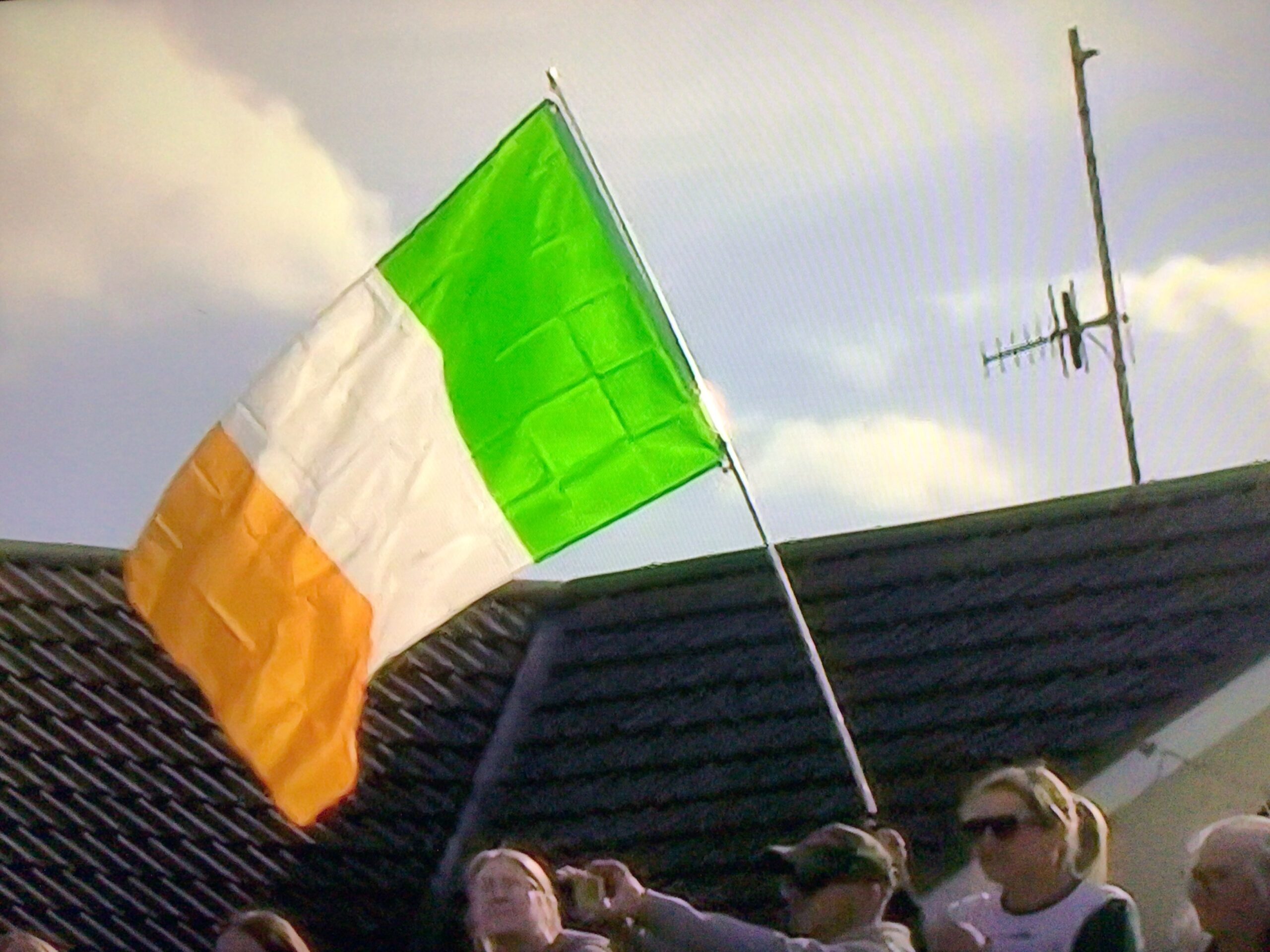
It is equally valid to have a different stance. Those who endorse a united Ireland are as progressive, liberal, reasonable and realistic as those with no preference for union or unity. Presently though such a seed of thought hasn’t taken root in the British consciousness. The call for a united Ireland is unsettling, even challenging to what remains of Cool Britannia. That’s why, going back to the shamrock analogy, advocates of Irish unity need to maybe take a leaf out of our indifferent neighbour’s book. We need to create an appetite for Cool Irelandia to enter public consciousness and conversations around British dinner tables.


by Paul Breen
Tony Blair’s legacy in Britain and Ireland could be seen as a damaged shamrock; three leaves, each telling a different story. There’s the Good Friday Agreement, still the most significant political achievement in modern Irish and British relations. There’s Cool Britannia, that brief moment when Britain imagined itself as confident, modern and at ease with its past, regardless of class, economics and colonialism. And then there’s The Iraq War, a decision that continues to cast a long shadow over western claims to moral authority.
These three leaves of Blair’s legacy still shape ideas about Northern Ireland today. The 1998 Agreement in particular has settled in the British consciousness as both success and closure. Unlike Iraq, or more recent conflicts that remain raw and unresolved, this is seen as a war concluded. It’s a closed chapter, something placed carefully on a shelf like an old wedding album where the couple haven’t divorced but are only together for the sake of the kids.
That sense of closure has kept the peace but has had consequences. One of these is the persistence of a particular habit in British public life: the elevation of what’s seen as the middle ground in Northern Ireland. The figure who stands apart from unionism and nationalism / republicanism continues to be treated as the most reasonable voice in the room. It’s calm, balanced, and above the awfully-loud drumbeat of sectarianism, in a way that mirrors how many British people imagine themselves. It is a deep-rooted ideology that appears across British media and political commentary.
There have of course been critics of this tendency. Some of the sharpest voices have come from outside the mainstream, including The Pensive Quill, which has dissected the idea of a Northern Irish centre ground with particular force. Writing about what’s described as “Middle Earth,” they portray this space not as a genuine meeting point between traditions but as a self-contained world, detached from the historical and political realities that produced the conflict. In his account, the inhabitants of this mythical centre ground are participants in a narrative that allows them to avoid the constitutional question altogether.
People don’t have to share their politics to recognise the force of the critique. A space beyond constitutional politics is itself political. However, a middle ground mythology resonates in Britain because it aligns with deeper assumptions about Britishness. There remains a strong tendency, particularly within liberal culture, to see British identity as something essentially neutral. Not ideological, not historically entangled, but simply there. Institutions such as the monarchy or military are often seen this way. Because they are not tied to one political party or another, they’re imagined as standing above politics altogether.
Northern Irish politics is filtered through that same lens. To occupy the middle ground is to reflect this imagined neutrality. It is to rise above what competing loyalties and to adopt a position that appears more mature, more reasonable. Roy Greenslade once described Britain seeing itself as a piggy in the middle between two warring tribes. The phrase still captures something of how the situation is framed in the British, particularly English, consciousness.
But the middle ground is not outside the story. It is part of it. To ignore a position on sovereignty is, in practice, to accept the current constitutional arrangement. It is to accept partition as the default. That may be a perfectly legitimate view, but it is still a political one. What gives it particular appeal or mainstream ‘coolness’ is that it is rarely described in those terms. Instead it’s presented as common sense and a progressive slant.
The idea of a united Ireland, meanwhile, remains oddly distant within British cultural life. It is not so much rejected as quietly set aside, like that wedding album from a stormy marriage. Of course, there have been shifts. Shows such as Derry Girls have brought Northern Irish Catholic experience into British living rooms in a way that feels immediate and familiar. Adrian Dunbar and other celebrities have spoken publicly about the possibility of unity without that being treated as extreme. These moments matter because they begin to make certain conversations feel more ordinary. But they remain limited.
For the most part, advocacy for Irish unity still sits outside the boundaries of everyday British discussion. It is not excluded, but it is not a conversation that whets the British liberal appetite. It carries an echo of something unsettling, something that belongs to the past, to a closed book rather than the future; a thing like the Irish Famine which is best forgotten. By contrast, the act of stepping back from constitutional questions continues to be treated as the more reasonable path; the default setting of decency.
Again, this is not neutral. It is a way of holding the present in place and sticking with the status quo. We see this too in government narratives. The Northern Ireland Troubles (Legacy and Reconciliation) Act 2023 has been framed in Britain largely as a practical attempt to draw a line under a historical situation that’s now resolved. In Ireland, it is more often seen as an attempt to avoid fully confronting that history. The difference reflects a deeper divergence in how the conflict itself is understood.
For Britain, there is still a tendency to see Northern Ireland as a problem of local division rather than as a product of political processes in which Britain played a central role. That makes it easier to elevate the middle ground. If the problem is two sides in conflict, then the solution is to stand between them. However, that in itself is a political position that relegates the desire for a united Ireland to some kind of secondary, less reasonable status.
This is not an argument against the middle ground. It is not a call to abandon it or to dismiss those who occupy it. It is simply to recognise it for what it is: a position, shaped by history and by preference, rather than a neutral vantage point above politics.
It is equally valid to have a different stance. Those who endorse a united Ireland are as progressive, liberal, reasonable and realistic as those with no preference for union or unity. Presently though such a seed of thought hasn’t taken root in the British consciousness. The call for a united Ireland is unsettling, even challenging to what remains of Cool Britannia. That’s why, going back to the shamrock analogy, advocates of Irish unity need to maybe take a leaf out of our indifferent neighbour’s book. We need to create an appetite for Cool Irelandia to enter public consciousness and conversations around British dinner tables.