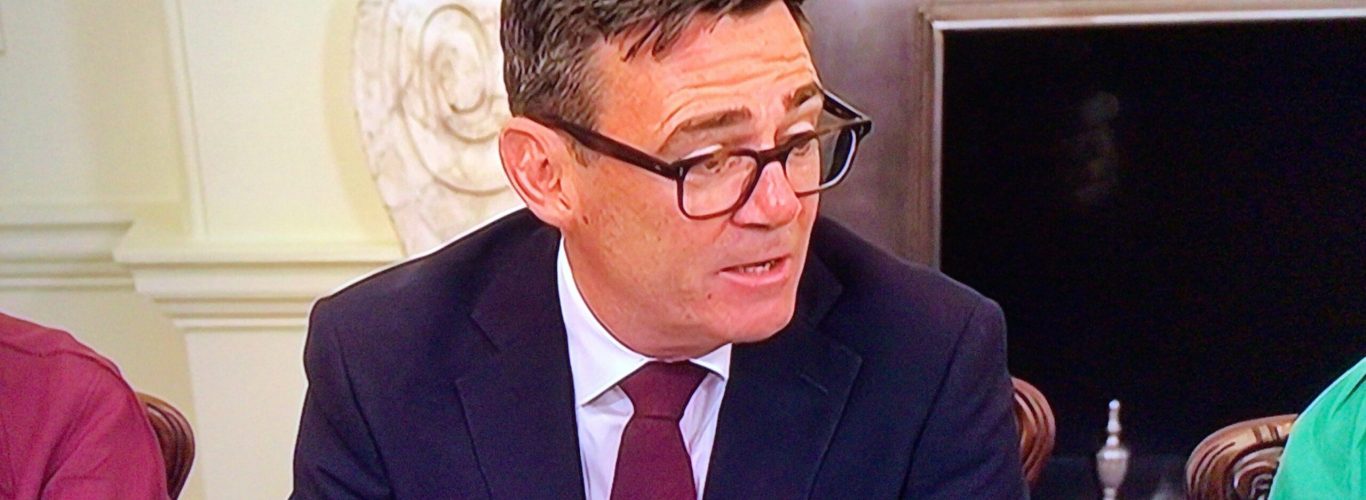
What are we to make of our new prime minister? It took Andy Burnham 39 days to wash up in Belfast for his first visit. In contrast, Keir Starmer made it over in two. Does that suggest its top of his priorities?
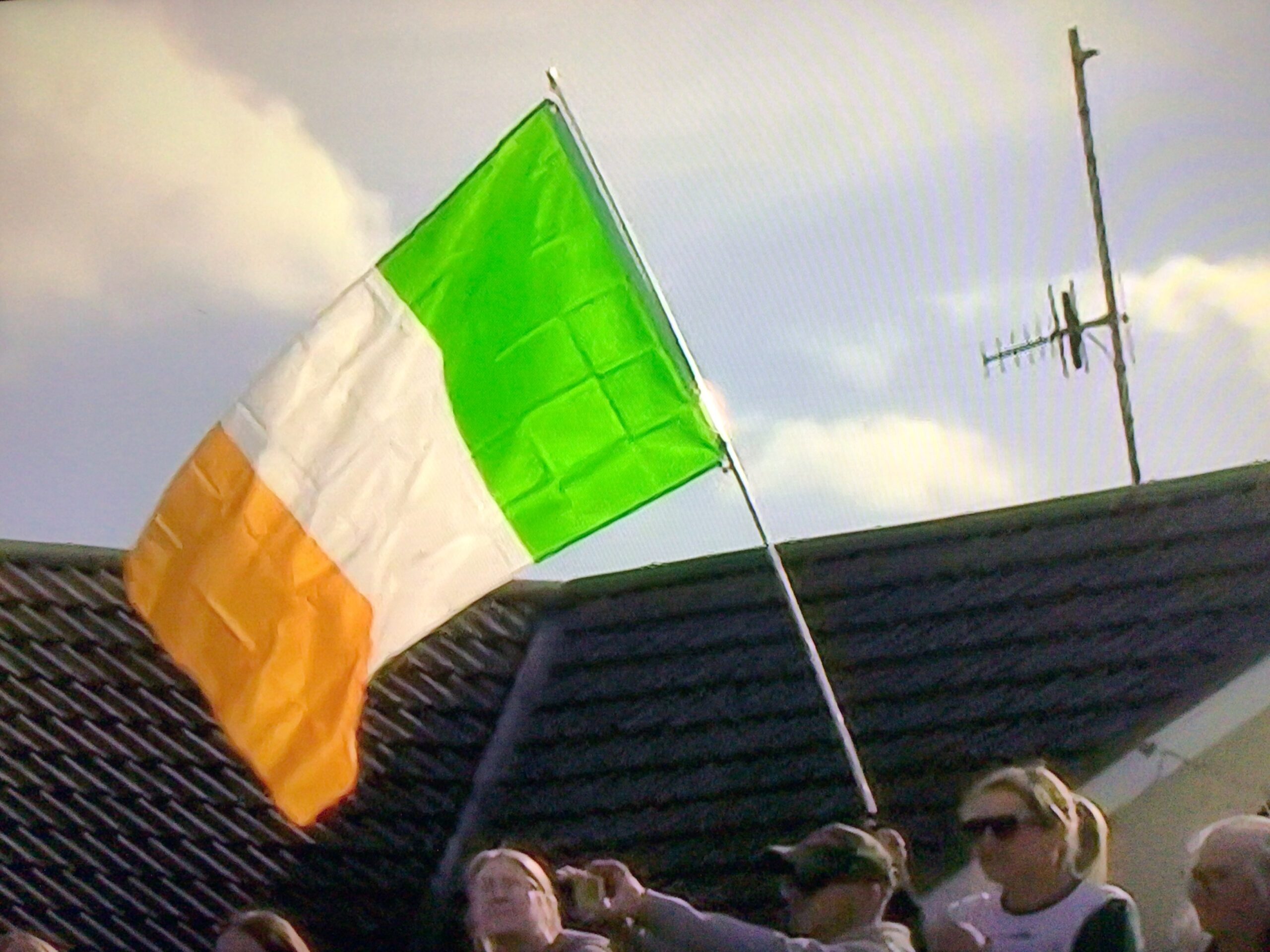
When he did arrive he upset united Irelanders with discourteous remarks about a border poll.
Speaking to the BBC, the Prime Minister said that he wanted to take a ‘collaborative approach’ with the executive to address cost of living issues and that a border poll was’one issue that will be off the table.’
‘I think we’ve got to focus on bringing people together as best we can and I think we’ve lived through a decade where there’s been a referendum on Brexit, we had Scottish independence just before it. What we find is that the rifts that come from those situations take a long time to heal, and it sets you right back and you can’t focus on what’s right in front of us here and now…’ he added.
Burnham has rightly been upbraided by united Irelanders for sounding dismissive – and actually crass – for likening a border poll – hardwired into the Good Friday Agreement – to Brexit. Clumsy syntax to be sure, but this is what is known in the political advisory trade as the ‘line-to-take.’
Bluntly, no British PM is going to set hares racing about Irish unity at this stage. They will remain highly circumspect and evasive as they work to specific political choreography. Essentially this: Not until election results clearly point to the likelihood of people voting for it and a government in Dublin openly willing to support the result.
At that point you can safely disregard all previous hesitation; a British PM will be happy to deal.
In fact, Andy Burnham may well be the PM who grants a border poll and gets his name in the history books for overseeing the reunification of Ireland.
Really, after last week?
For sure.
He’s the most plausible PM after the next British general election, which might come earlier than spring 2029, if there’s a brilliant tactical opportunity that he can’t resist. It puts him in Downing Street until the early 2030s at the least.
By which point we will have had the 2031 census and another round of elections to Westminster, the assembly and local councils by 2033. Added together, this may amount to ample evidence that voters are ‘likely’ to endorse constitutional change.
The other piece of the jigsaw is the composition of the next Irish government. Things are changing in Dublin, with Fine Gael discussing a report into preparations for unity at its November Ard Fheis and Micheál Martin on his way out at FF. Sinn Fein is still polling consistently well and may be part of the next administration.
Forget polls, if the north can show demonstrable electoral evidence and the south is finally ready to deal, then Prime Minister Burnham will say something like this:
‘The Good Friday Agreement is Labour’s most important achievement in government, helping to end thirty years of bloodshed and all parties in the House of Commons are committed to making it work. It is therefore the solemn obligation of His Majesty’s Government, in partnership with the Irish Government, to abide by all parts of the agreement.
It is now clear that the provision at the heart of the agreement to test the constitutional preferences of the people of Northern Ireland ‘if it looks likely’ that they might opt for change have been met. Moreover, it is our legal obligation to facilitate a poll which will be help in conjunction with a referendum in the Irish Republic on…’
Impossible?
Watch this space.

What are we to make of our new prime minister? It took Andy Burnham 39 days to wash up in Belfast for his first visit. In contrast, Keir Starmer made it over in two. Does that suggest its top of his priorities?
When he did arrive he upset united Irelanders with discourteous remarks about a border poll.
Speaking to the BBC, the Prime Minister said that he wanted to take a ‘collaborative approach’ with the executive to address cost of living issues and that a border poll was’one issue that will be off the table.’
‘I think we’ve got to focus on bringing people together as best we can and I think we’ve lived through a decade where there’s been a referendum on Brexit, we had Scottish independence just before it. What we find is that the rifts that come from those situations take a long time to heal, and it sets you right back and you can’t focus on what’s right in front of us here and now…’ he added.
Burnham has rightly been upbraided by united Irelanders for sounding dismissive – and actually crass – for likening a border poll – hardwired into the Good Friday Agreement – to Brexit. Clumsy syntax to be sure, but this is what is known in the political advisory trade as the ‘line-to-take.’
Bluntly, no British PM is going to set hares racing about Irish unity at this stage. They will remain highly circumspect and evasive as they work to specific political choreography. Essentially this: Not until election results clearly point to the likelihood of people voting for it and a government in Dublin openly willing to support the result.
At that point you can safely disregard all previous hesitation; a British PM will be happy to deal.
In fact, Andy Burnham may well be the PM who grants a border poll and gets his name in the history books for overseeing the reunification of Ireland.
Really, after last week?
For sure.
He’s the most plausible PM after the next British general election, which might come earlier than spring 2029, if there’s a brilliant tactical opportunity that he can’t resist. It puts him in Downing Street until the early 2030s at the least.
By which point we will have had the 2031 census and another round of elections to Westminster, the assembly and local councils by 2033. Added together, this may amount to ample evidence that voters are ‘likely’ to endorse constitutional change.
The other piece of the jigsaw is the composition of the next Irish government. Things are changing in Dublin, with Fine Gael discussing a report into preparations for unity at its November Ard Fheis and Micheál Martin on his way out at FF. Sinn Fein is still polling consistently well and may be part of the next administration.
Forget polls, if the north can show demonstrable electoral evidence and the south is finally ready to deal, then Prime Minister Burnham will say something like this:
‘The Good Friday Agreement is Labour’s most important achievement in government, helping to end thirty years of bloodshed and all parties in the House of Commons are committed to making it work. It is therefore the solemn obligation of His Majesty’s Government, in partnership with the Irish Government, to abide by all parts of the agreement.
It is now clear that the provision at the heart of the agreement to test the constitutional preferences of the people of Northern Ireland ‘if it looks likely’ that they might opt for change have been met. Moreover, it is our legal obligation to facilitate a poll which will be help in conjunction with a referendum in the Irish Republic on…’
Impossible?
Watch this space.