By Martin Burns
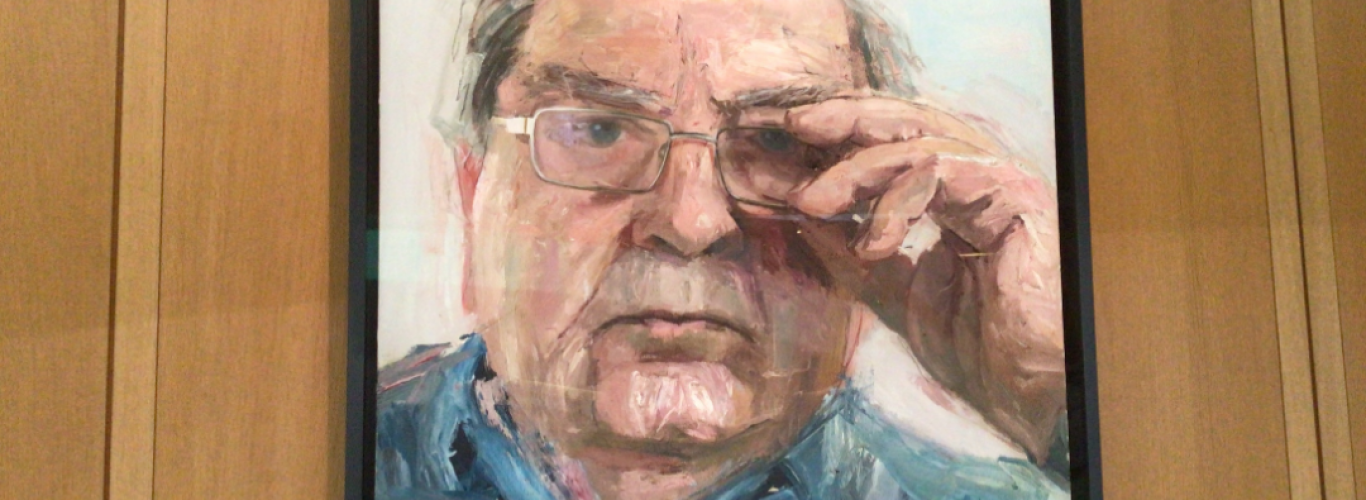
One of the less remembered steps on the road to the Belfast/Good Friday Agreement is what is referred to as the Hume/Adams talks. This was a long series of meetings and exchange of documents by SDLP leader John Hume and Sinn Féin leader Gerry Adamsto draft a joint nationalist point of view in discussions on how to end the conflict in Northern Ireland.
Both Hume and Adams took big political risks by engaging with each other. Had word of the existence of the talks leaked out prematurely, the political damage to both men would have been substantial.To the great credit of both Hume and Adams, they realized that there could be no end to the violence in Northern Ireland if Irish nationalists were not agreed on what a settlement would look like.
The talks were not easy and there was give and take on both sides. Had Hume and Adams not had the political courage to meet with each other and enter a tough political dialogue; there would not have been a Belfast/Good Friday Agreement.
Declan Kearney, MLA and Sinn Féin National Chairperson, writing in An Phoblacht, on August 14 called for the interjection of the spirit of discussion and argument in Hume/Adams become part of the debate over an Irish Border Poll:
“The Hume/Adams experience should be a present-day incentive for all parties within the national democratic tradition, including the Irish government, to affirm political principles and objectives for the achievement of Irish unity. It is time for all strands of Irish national democratic opinion to gather in a single political forum or convention to deliberate, agree, and, then speak with one voice on how to plan for Irish unity, and initiate the constitutional transition.”
What would Kearney’s proposal look like in practice? This would mean a discussion among the leaders of Sinn Féin(in both the north and south) and SDLP in the North and Fianna Fáil, and Fine Gael in the South. Fine Gael leader Simon Harris has stated that his party plans to publish a comprehensive blueprint for Irish unity at its Ard Fheis in November 2026. This would be an excellent starting point for the inter-party talks on an Irish border poll.
The other Irish nationalist parties would have the opportunity to share what they support and oppose in the Fine Gael blueprint. The SDLP would be able to take their vague support for a Border Poll and see how it lines up with the Fine Gael blueprint.
Most important of all, a discussion among the Irish political parties on coming up with a shared position on an Irish Border Poll would force Fianna Fáil to come to a decision on the question of do they want to be part of the conversation about an Irish Border Poll. At the present time, there is doubt in Fianna Fáil’s commitment to an Irish Border Poll. The Irish Times reported on August 16 that:
“Taoiseach Micheál Martin has told his TDs and Senators they should have the self-confidence to push back against calls for a Border poll. Martin said he “goes bananas” when his own party colleagues call for a poll instead of focusing on the Shared Island initiative, which was set up in 2020 and will commit €2 billion to cross-Border projects between now and 2035.”
I think it is fair to conclude that not every Fianna Fáil TD and Senator supports Taoiseach Martin’s abhorrence of a Border Poll. Having all the other Irish political parties that support Irish unity engaged in a debate on a common Border Poll strategy will increase the political pressure on Martin to engage on a Border Poll.
The debate over an Irish Border Poll is happening. The time has come for all Irish political parties who support Irish unity to come together and hammer out a common position on a Border Poll. To accomplish this goal, they will have to show the same amount of political courage that John Hume and Gerry Adams showed decades ago.
By Martin Burns
One of the less remembered steps on the road to the Belfast/Good Friday Agreement is what is referred to as the Hume/Adams talks. This was a long series of meetings and exchange of documents by SDLP leader John Hume and Sinn Féin leader Gerry Adamsto draft a joint nationalist point of view in discussions on how to end the conflict in Northern Ireland.
Both Hume and Adams took big political risks by engaging with each other. Had word of the existence of the talks leaked out prematurely, the political damage to both men would have been substantial.To the great credit of both Hume and Adams, they realized that there could be no end to the violence in Northern Ireland if Irish nationalists were not agreed on what a settlement would look like.
The talks were not easy and there was give and take on both sides. Had Hume and Adams not had the political courage to meet with each other and enter a tough political dialogue; there would not have been a Belfast/Good Friday Agreement.
Declan Kearney, MLA and Sinn Féin National Chairperson, writing in An Phoblacht, on August 14 called for the interjection of the spirit of discussion and argument in Hume/Adams become part of the debate over an Irish Border Poll:
“The Hume/Adams experience should be a present-day incentive for all parties within the national democratic tradition, including the Irish government, to affirm political principles and objectives for the achievement of Irish unity. It is time for all strands of Irish national democratic opinion to gather in a single political forum or convention to deliberate, agree, and, then speak with one voice on how to plan for Irish unity, and initiate the constitutional transition.”
What would Kearney’s proposal look like in practice? This would mean a discussion among the leaders of Sinn Féin(in both the north and south) and SDLP in the North and Fianna Fáil, and Fine Gael in the South. Fine Gael leader Simon Harris has stated that his party plans to publish a comprehensive blueprint for Irish unity at its Ard Fheis in November 2026. This would be an excellent starting point for the inter-party talks on an Irish border poll.
The other Irish nationalist parties would have the opportunity to share what they support and oppose in the Fine Gael blueprint. The SDLP would be able to take their vague support for a Border Poll and see how it lines up with the Fine Gael blueprint.
Most important of all, a discussion among the Irish political parties on coming up with a shared position on an Irish Border Poll would force Fianna Fáil to come to a decision on the question of do they want to be part of the conversation about an Irish Border Poll. At the present time, there is doubt in Fianna Fáil’s commitment to an Irish Border Poll. The Irish Times reported on August 16 that:
“Taoiseach Micheál Martin has told his TDs and Senators they should have the self-confidence to push back against calls for a Border poll. Martin said he “goes bananas” when his own party colleagues call for a poll instead of focusing on the Shared Island initiative, which was set up in 2020 and will commit €2 billion to cross-Border projects between now and 2035.”
I think it is fair to conclude that not every Fianna Fáil TD and Senator supports Taoiseach Martin’s abhorrence of a Border Poll. Having all the other Irish political parties that support Irish unity engaged in a debate on a common Border Poll strategy will increase the political pressure on Martin to engage on a Border Poll.
The debate over an Irish Border Poll is happening. The time has come for all Irish political parties who support Irish unity to come together and hammer out a common position on a Border Poll. To accomplish this goal, they will have to show the same amount of political courage that John Hume and Gerry Adams showed decades ago.