by Kevin Rooney
Who would have thought it? JK Rowling and Fr Ted creator Graham Linehan talking about the Belfast Féile. Certainly not me in my 20s attending the West Belfast Festival with my republican mates to see our local heroes like Fr Des and Gerry Adams, and sitting in awe while listening to the tales of freedom fighters from South Africa and Palestine. I went to the first Féile in 1988 and have attended 37 of the 38 since. Back then no one was talking or writing about this annual festival of political talks except maybe the Irish News and the Andersonstown News. There was no government funding or corporate sponsorship, no sell-out concerts in Falls Park and the only critics were the usual suspects from the DUP.
I have embraced all these changes and saw Féile’s growth as symbolic of the ways that West Belfast nationalists have emerged from the dark days of being demonised and marginalised into a thriving, self-confident community taking their rightful place as part of mainstream Irish culture.
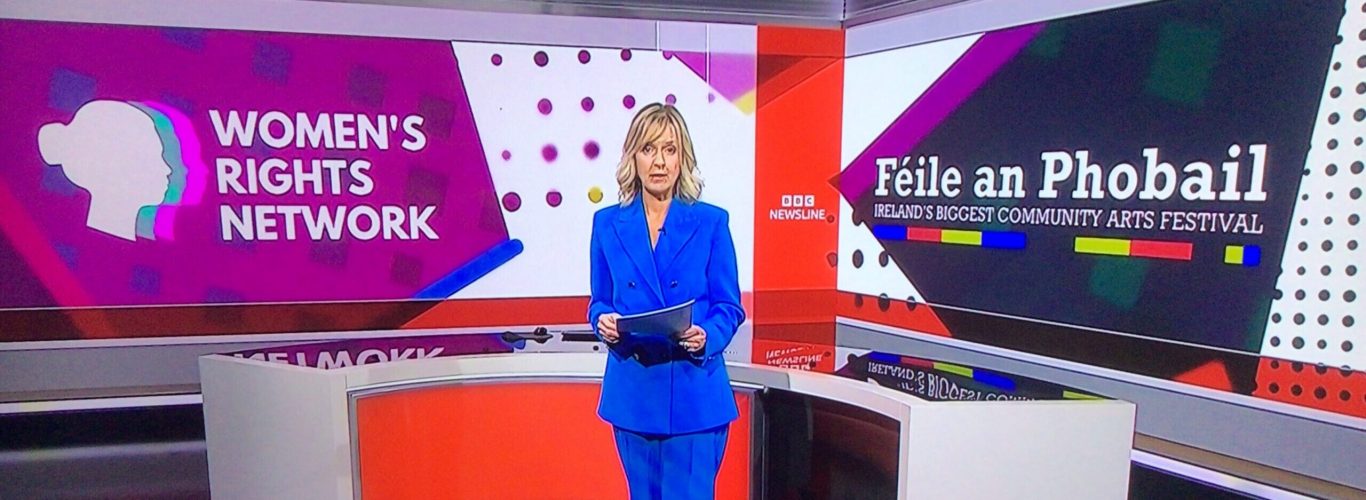
But as I attended this year’s festival, I was starting to feel nostalgic for the old days. The festival has been overshadowed by an explosive row over the cancelling of a panel event organised by the Northern Irish Women’s Rights Network. Previously accepted and programmed by the festival organisers, it was cancelled after an organised online campaign by activists who claimed the event would ‘promote campaigns against the transgender community’.
As a huge fan of the Féile I was determined to approach the row with an open mind. I have produced several panel discussions there in recent years and have found the organisers to be a brilliant group of people – well organised, ambitious, true to their West Belfast roots and great fun. I have however always been a strong advocate of free speech and have friends whose opinions I respect who take the gender critical view in the debate over trans rights. But having now listened to several unedifying debates between the two sides I find myself falling into the, ‘a plague on both your houses’ camp. I really wonder if any of the speakers on these chat shows can hear how they sound to the rest of us. Of course this is a controversial issue that arouses strong passions. But the speakers I’ve heard come over mostly as angry, bitter and strident. Un-willing to listen to or engage with their opponents they shout over each other as increasingly frustrated presenters haplessly try to turn the temperature down. No attempt is made by either side to put themselves in the other’s shoes or look for a compromise. Both raise their voices to insist they have the public with them, that they are the ones who care about minority rights and accuse the other of bad faith. To say these exchanges have produced ‘more heat than light’ is an understatement and if ordinary people feel anything like me they will mostly want to turn the radio off. While both claim to have the public on their side, my strong suspicion is that the wider public see these formulaic and increasingly vicious rows as a distraction from the much bigger challenges we face.
My concern as someone heading to the Feile to run a session on the prospects for an Irish border poll just days after Andy Burnham has said he will refuse any further referendums on constitutional change, is that these toxic ‘culture wars’ will distract us from this pressing issue and divide us when we most need to unite. Speaking as an Irish Republican for me it is imperative that we don’t allow ‘culture war’ issues get in the way of the Irish Unity project.
I was delighted to hear on Wednesday the warring sides agreed a compromise before going to court that will see the event happening in an alternative venue and talks about how to accommodate all sides of these debates in future. A big well done to all those involved in making that agreement happen. The people who line up every year to attack Féile will be gutted by the resolution reached.
Finally, while I sympathise with my friends in Féile and can see the parallels they make between nationalists and trans people being persecuted minorities, I think there is a critical free speech principle at stake here and they have simply got it wrong on this. In the end being inclusive cannot be the justification for excluding an argument that you don’t agree with or like. And if we are looking to our history to defend this action we should also look at the censorship we faced for decades. It may not have been called ‘cancellation’ back then but what else would you call banning Sinn Fein from the airways and regularly shutting down events with republican speakers. This history should strengthen Féile’s determination to turn this festival into one that encourages real and open debate between unionists and nationalists as well as on these hot button cultural debates. That would be a fitting way to honour our bold tradition of resisting censorship. Féile Abú!
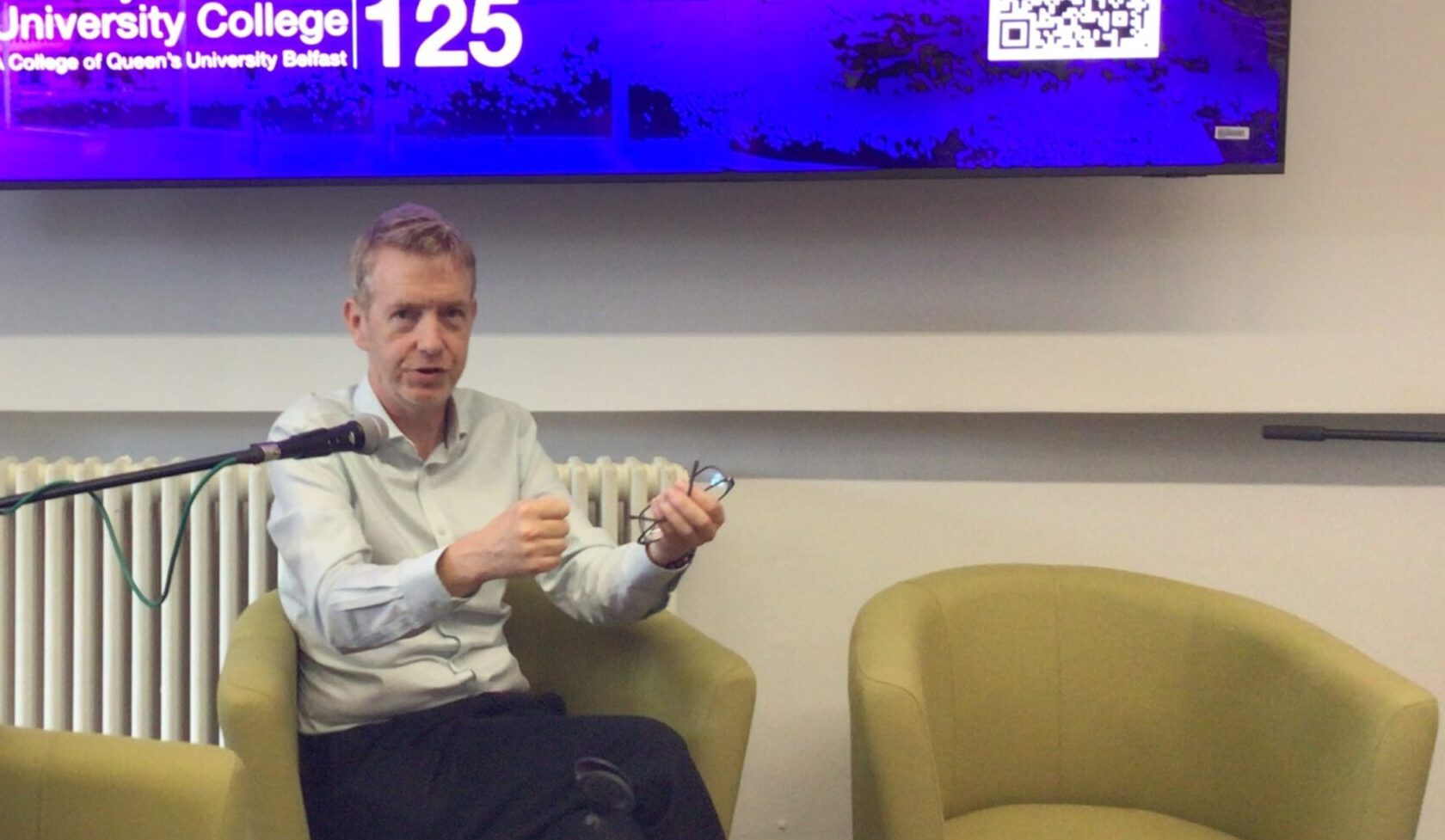
by Kevin Rooney
Who would have thought it? JK Rowling and Fr Ted creator Graham Linehan talking about the Belfast Féile. Certainly not me in my 20s attending the West Belfast Festival with my republican mates to see our local heroes like Fr Des and Gerry Adams, and sitting in awe while listening to the tales of freedom fighters from South Africa and Palestine. I went to the first Féile in 1988 and have attended 37 of the 38 since. Back then no one was talking or writing about this annual festival of political talks except maybe the Irish News and the Andersonstown News. There was no government funding or corporate sponsorship, no sell-out concerts in Falls Park and the only critics were the usual suspects from the DUP.
I have embraced all these changes and saw Féile’s growth as symbolic of the ways that West Belfast nationalists have emerged from the dark days of being demonised and marginalised into a thriving, self-confident community taking their rightful place as part of mainstream Irish culture.
But as I attended this year’s festival, I was starting to feel nostalgic for the old days. The festival has been overshadowed by an explosive row over the cancelling of a panel event organised by the Northern Irish Women’s Rights Network. Previously accepted and programmed by the festival organisers, it was cancelled after an organised online campaign by activists who claimed the event would ‘promote campaigns against the transgender community’.
As a huge fan of the Féile I was determined to approach the row with an open mind. I have produced several panel discussions there in recent years and have found the organisers to be a brilliant group of people – well organised, ambitious, true to their West Belfast roots and great fun. I have however always been a strong advocate of free speech and have friends whose opinions I respect who take the gender critical view in the debate over trans rights. But having now listened to several unedifying debates between the two sides I find myself falling into the, ‘a plague on both your houses’ camp. I really wonder if any of the speakers on these chat shows can hear how they sound to the rest of us. Of course this is a controversial issue that arouses strong passions. But the speakers I’ve heard come over mostly as angry, bitter and strident. Un-willing to listen to or engage with their opponents they shout over each other as increasingly frustrated presenters haplessly try to turn the temperature down. No attempt is made by either side to put themselves in the other’s shoes or look for a compromise. Both raise their voices to insist they have the public with them, that they are the ones who care about minority rights and accuse the other of bad faith. To say these exchanges have produced ‘more heat than light’ is an understatement and if ordinary people feel anything like me they will mostly want to turn the radio off. While both claim to have the public on their side, my strong suspicion is that the wider public see these formulaic and increasingly vicious rows as a distraction from the much bigger challenges we face.
My concern as someone heading to the Feile to run a session on the prospects for an Irish border poll just days after Andy Burnham has said he will refuse any further referendums on constitutional change, is that these toxic ‘culture wars’ will distract us from this pressing issue and divide us when we most need to unite. Speaking as an Irish Republican for me it is imperative that we don’t allow ‘culture war’ issues get in the way of the Irish Unity project.
I was delighted to hear on Wednesday the warring sides agreed a compromise before going to court that will see the event happening in an alternative venue and talks about how to accommodate all sides of these debates in future. A big well done to all those involved in making that agreement happen. The people who line up every year to attack Féile will be gutted by the resolution reached.
Finally, while I sympathise with my friends in Féile and can see the parallels they make between nationalists and trans people being persecuted minorities, I think there is a critical free speech principle at stake here and they have simply got it wrong on this. In the end being inclusive cannot be the justification for excluding an argument that you don’t agree with or like. And if we are looking to our history to defend this action we should also look at the censorship we faced for decades. It may not have been called ‘cancellation’ back then but what else would you call banning Sinn Fein from the airways and regularly shutting down events with republican speakers. This history should strengthen Féile’s determination to turn this festival into one that encourages real and open debate between unionists and nationalists as well as on these hot button cultural debates. That would be a fitting way to honour our bold tradition of resisting censorship. Féile Abú!