by Ray Bassett
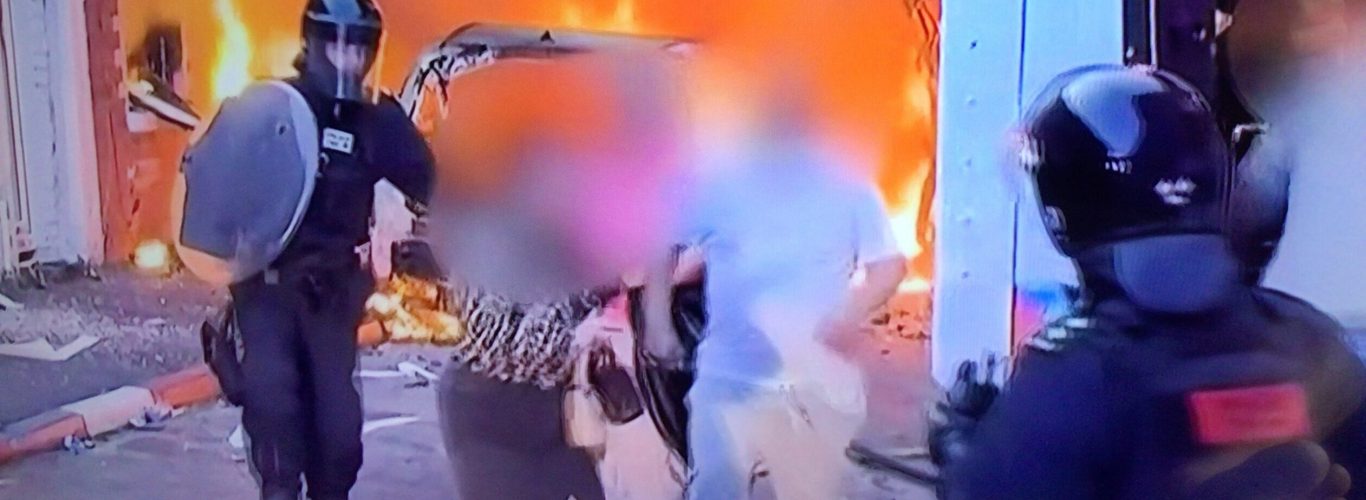
The horrific attack in North Belfast on Stephen Ogilvie elicited a peculiar response from the Government in Dublin and also from establishment media outlets there, such as RTE and the Irish Times. While the attack made international headline news in Britain and many other places, there was a very muted response south of the border, just a short drive away from the incident. The Dublin media only carried the story further down the news bulletins and in a less prominent position in the papers than their international colleagues.
Initially, there was an embarrassed silence from the Government, particularly when the Chief Constable of the PSNI, Jon Boutcher, revealed that the suspect in custody was an asylum seeker who had entered the North on a bus from Dublin. There was no information supplied on how the suspect, Hadi Alodid, managed to come through Dublin airport. I spoke with a Press Officer in the Irish Department of Justice who told me that all he was permitted to say was that the matter was one for the PSNI. Nothing beyond a single line. The subliminal message here was that this has nothing to do with the Republic. The events could have been happening in another continent.
The Taoiseach, Micheál Martin, did condemn both the initial attack and the subsequent racist threats and burning, describing some of the media reporting as “unhelpful”. He was right on that aspect as some right-wing outlets in Britain tried to portray the events in Belfast as a community wide uprising against mass immigration. Any reference to the fact that the rioting was occurring on one side of the community was brushed aside and was clearly unwelcome. However, Dublin’s unease may reflect something deeper than simple embarrassment at Alodid’s Dublin connection. This blindness on the North relates not just to the recent events.
The call from some Reform and Restore Britain spokespersons for a re-examination of the Common Travel Area (CTA) inevitably arose in the wake of last week’s events. While it would be easy to dismiss these calls as the expected utterances from the usual suspects, the Irish Government need to appreciate that there is a need to address issues relating to the CTA.
The difficulties are not confined to those using the Republic as a back door to Britain. The fact is that the majority of those crossing the Irish border to claim refugee status are going from the North to the Republic. In 2024, it was estimated that of the 18,450 refugee applicants in the Republic, four fifths or 80% came through the North. That position is unsustainable. The Irish Government have to face that unpalatable fact.
As an Irish Nationalist, a land border on the island of Ireland is anathema to me so the remedy must be found elsewhere. The whole approach throughout the Good Friday negotiations was to make the border irrelevant to everyday life in Ireland. In a post Brexit world, that can only be achieved by the closest possible cooperation and a degree of harmonisation of regulations between Ireland and Britain. It means the creation of our own mini-Schengen area, including Ireland, Britain, Isle of Man, and the Channel Islands.
However, the Irish Government has just headed off in a direction that would make such arrangements impossible in the future. They have prioritised cooperation with other EU States over working closely with our nearest neighbour. The EU Migration Pact has just come into force which greatly limits the Irish Government’s freedom of decision-making in the area of migration. It seeks to standardise procedures on an EU basis and also allows Brussels to impose refugee quotas on participating States. This was done even though Ireland receives very few asylum seekers directly from the European mainland.
It was a non sensical decision by Dublin and drew criticism from former Justice Minister Michael McDowell, among many others. The fear here is that the desire to please Brussels was greater than the impulse to defend our own citizens’ interests. I have not heard a rational argument as to why this decision was taken. Ireland, under the Lisbon Treaty, has an opt out on EU Migration policies, as has Denmark. While the Danes wisely decided to preserve their ability to have their own independent powers on migration, Dublin made the conscious decision to opt in to the Pact. There was no obligation of the Irish State to join and no compelling operational reason to do so. It will not be without long term consequences.
The opt in to the Migration Pact places the future of the CTA in jeopardy. Both countries greatly benefit from the CTA, in fact for the last few years there has been net migration from Britain to Ireland, though that is a relatively recent phenomenon. The deep family ties, the massive numbers of passengers travelling in each direction and the huge overlap of citizenship makes the Irish/British relationship of a totally different level than Dublin’s links with other European countries. Both countries operate a common law system of justice which is very different from other EU States on the continent.
This is only the beginning of Brussels control of migration. The tendency in EU policies is for mission creep by the Commission and also a strengthening of the EU’s external borders, all of which signal danger for the CTA. This would be particularly dangerous should a more EU hostile administration be in control in London. Giving up the Republic’s control over migration to Brussels makes no sense at all. It was taken without due consideration for its long-term implications for CTA.
During the Good Friday Negotiations, British Prime Minister, Tony Blair over-ruled the Home Office to ensure that the population in the North would retain their right to dual British and Irish citizenship in the event of Irish Unity. In a future United Ireland, former Unionists will rightly regard the preservation of the CTA as a vital issue for them. It is not something that that the current Administration in Dublin should place in danger unthinkingly. I do not believe that previous Irish Governments would have been so blind to the implications of the Pact on North/South relations and also the future of the CTA.


by Ray Bassett
The horrific attack in North Belfast on Stephen Ogilvie elicited a peculiar response from the Government in Dublin and also from establishment media outlets there, such as RTE and the Irish Times. While the attack made international headline news in Britain and many other places, there was a very muted response south of the border, just a short drive away from the incident. The Dublin media only carried the story further down the news bulletins and in a less prominent position in the papers than their international colleagues.
Initially, there was an embarrassed silence from the Government, particularly when the Chief Constable of the PSNI, Jon Boutcher, revealed that the suspect in custody was an asylum seeker who had entered the North on a bus from Dublin. There was no information supplied on how the suspect, Hadi Alodid, managed to come through Dublin airport. I spoke with a Press Officer in the Irish Department of Justice who told me that all he was permitted to say was that the matter was one for the PSNI. Nothing beyond a single line. The subliminal message here was that this has nothing to do with the Republic. The events could have been happening in another continent.
The Taoiseach, Micheál Martin, did condemn both the initial attack and the subsequent racist threats and burning, describing some of the media reporting as “unhelpful”. He was right on that aspect as some right-wing outlets in Britain tried to portray the events in Belfast as a community wide uprising against mass immigration. Any reference to the fact that the rioting was occurring on one side of the community was brushed aside and was clearly unwelcome. However, Dublin’s unease may reflect something deeper than simple embarrassment at Alodid’s Dublin connection. This blindness on the North relates not just to the recent events.
The call from some Reform and Restore Britain spokespersons for a re-examination of the Common Travel Area (CTA) inevitably arose in the wake of last week’s events. While it would be easy to dismiss these calls as the expected utterances from the usual suspects, the Irish Government need to appreciate that there is a need to address issues relating to the CTA.
The difficulties are not confined to those using the Republic as a back door to Britain. The fact is that the majority of those crossing the Irish border to claim refugee status are going from the North to the Republic. In 2024, it was estimated that of the 18,450 refugee applicants in the Republic, four fifths or 80% came through the North. That position is unsustainable. The Irish Government have to face that unpalatable fact.
As an Irish Nationalist, a land border on the island of Ireland is anathema to me so the remedy must be found elsewhere. The whole approach throughout the Good Friday negotiations was to make the border irrelevant to everyday life in Ireland. In a post Brexit world, that can only be achieved by the closest possible cooperation and a degree of harmonisation of regulations between Ireland and Britain. It means the creation of our own mini-Schengen area, including Ireland, Britain, Isle of Man, and the Channel Islands.
However, the Irish Government has just headed off in a direction that would make such arrangements impossible in the future. They have prioritised cooperation with other EU States over working closely with our nearest neighbour. The EU Migration Pact has just come into force which greatly limits the Irish Government’s freedom of decision-making in the area of migration. It seeks to standardise procedures on an EU basis and also allows Brussels to impose refugee quotas on participating States. This was done even though Ireland receives very few asylum seekers directly from the European mainland.
It was a non sensical decision by Dublin and drew criticism from former Justice Minister Michael McDowell, among many others. The fear here is that the desire to please Brussels was greater than the impulse to defend our own citizens’ interests. I have not heard a rational argument as to why this decision was taken. Ireland, under the Lisbon Treaty, has an opt out on EU Migration policies, as has Denmark. While the Danes wisely decided to preserve their ability to have their own independent powers on migration, Dublin made the conscious decision to opt in to the Pact. There was no obligation of the Irish State to join and no compelling operational reason to do so. It will not be without long term consequences.
The opt in to the Migration Pact places the future of the CTA in jeopardy. Both countries greatly benefit from the CTA, in fact for the last few years there has been net migration from Britain to Ireland, though that is a relatively recent phenomenon. The deep family ties, the massive numbers of passengers travelling in each direction and the huge overlap of citizenship makes the Irish/British relationship of a totally different level than Dublin’s links with other European countries. Both countries operate a common law system of justice which is very different from other EU States on the continent.
This is only the beginning of Brussels control of migration. The tendency in EU policies is for mission creep by the Commission and also a strengthening of the EU’s external borders, all of which signal danger for the CTA. This would be particularly dangerous should a more EU hostile administration be in control in London. Giving up the Republic’s control over migration to Brussels makes no sense at all. It was taken without due consideration for its long-term implications for CTA.
During the Good Friday Negotiations, British Prime Minister, Tony Blair over-ruled the Home Office to ensure that the population in the North would retain their right to dual British and Irish citizenship in the event of Irish Unity. In a future United Ireland, former Unionists will rightly regard the preservation of the CTA as a vital issue for them. It is not something that that the current Administration in Dublin should place in danger unthinkingly. I do not believe that previous Irish Governments would have been so blind to the implications of the Pact on North/South relations and also the future of the CTA.