by Kevin Meagher
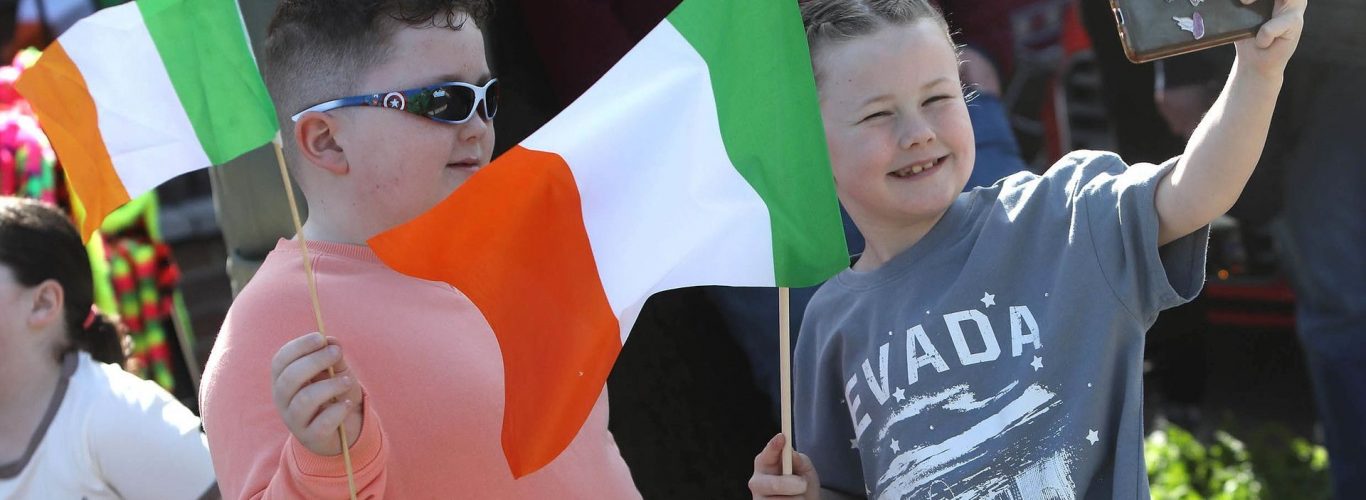
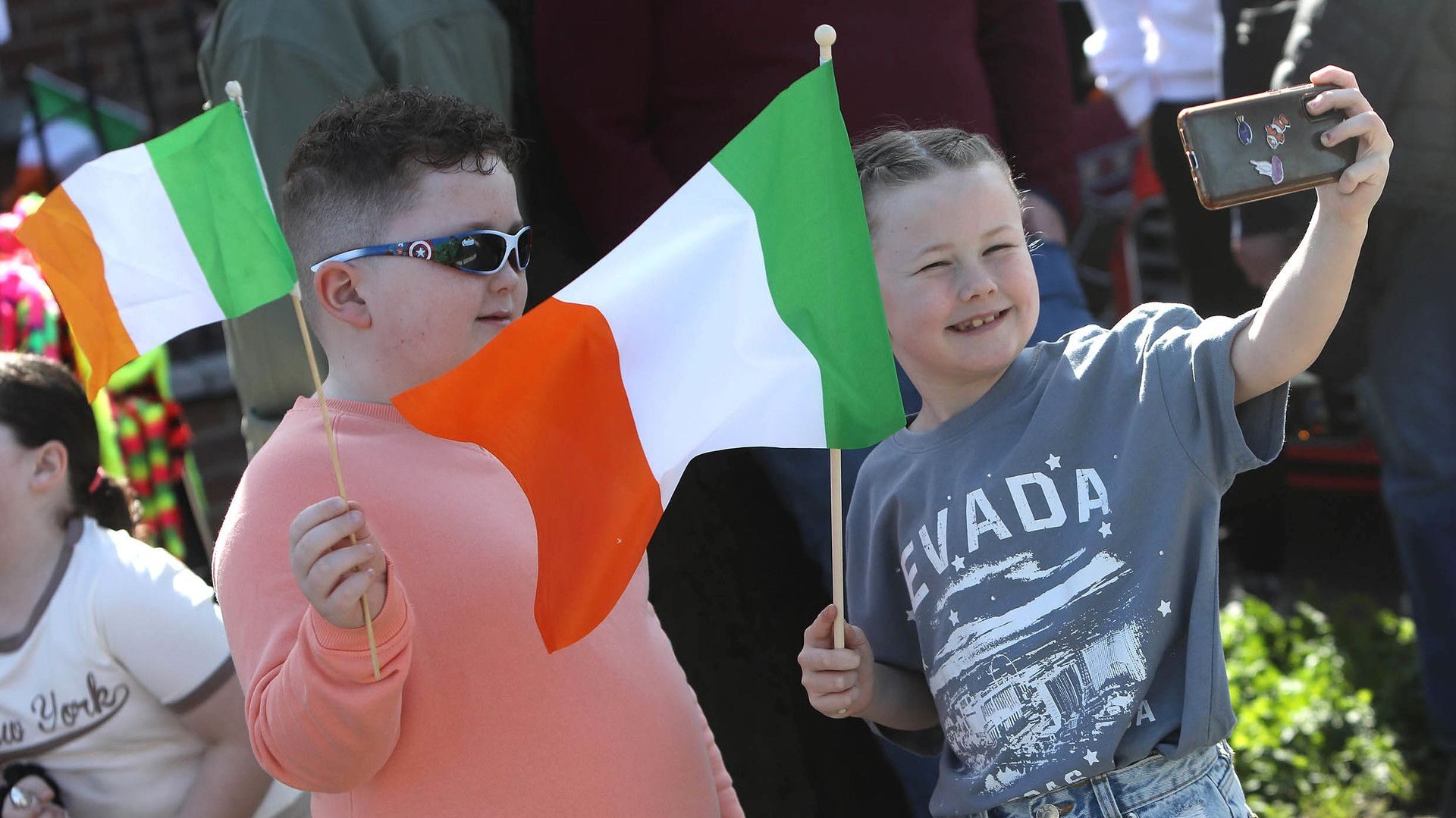
You can’t eat a flag, John Hume famously stated. True enough, but a flag sustains us in other ways, most obviously as the visual definition of a nation. To Korean poet Yu Chi-hwan, a flag is a ‘shout without sound…nostalgia’s handkerchief.’ Or perhaps a contract between generations, in Edmund Burke’s term. More prosaically, it’s a symbol of pride and purpose. Sacred cloth.
All of which makes me highly sceptical about voices urging United Irelanders to abandon theirs.
The argument goes that unionists will never accept the tricolour, compromised as they see, by its association in the North with Irish republicanism. So, it should be offered up – scrapped – as some sort of pre-emptive gesture in what is still a one-sided conversation about the future of the island of Ireland and what emblem should flutter over its public buildings.
Various commentators (here, here, and here) have made this argument in recent times. In last week’s Belfast Telegraph, John Laverty wrote that ‘there can’t be a new Ireland without a new flag to go along with it.’ He went on to make the ludicrous claim that as well as being ‘synonymous with republican violence’ the tricolour is now ‘indelibly associated with a growing, toxic, racist, xenophobic nationalism element from across the border.’ Hogwash.
Let’s be clear: the flag belongs to no single element in Irish society. Nor is it a frippery to be bartered away. It is one thing to have a reasoned discussion about what symbols a 32-county Ireland unites behind, but in case anyone has missed it, the chair offered to unionists in having this discussion remains unoccupied.
So, let’s not rush to bin the tricolour so willingly. For four reasons, I would suggest.
First – and unless I am gravely mistaken – no-one is actually demanding its scrapping as a price for supporting or acquiescing in the creation of a united 32-county Ireland. I have heard no prominent unionist or anyone else raise the issue, merely commentators projecting into the public square their belief in what they imagine unionists want.
Second, as well as being explicitly designed as a symbol of unity between ‘green’ and ‘orange’ traditions, the tricolour is also a powerful symbol of liberty and Ireland’s struggles for nationhood from the point it was first presented to the nation in 1848. It is not some corporate logo to be dispensed with in a rebranding exercise. Its meaning endures.
That some unionists see it as an ‘IRA flag’ is a deficiency in their historical understanding. The white segment explicitly symbolises the hope that the two traditions can be joined in ‘generous and heroic brotherhood.’ A work in progress, granted, but that also means its purpose remains evergreen.
Third, it’s reasonable to point out that there has never been any attempt to cater to nationalists’ sensibilities during 105 years of Northern Ireland’s existence. Unionists denigrated the Irish flag from the very founding of the statelet and their descendants are fighting a Pavlovian culture war over the use of the Irish language to this day.
I am not saying to them ‘tough,’ merely that unionist distaste for the tricolour is entirely sectarian. Not a reasonable starting point, then, to begin a conversation about shared emblems in a new state. Indeed, a ‘something for nothing’ negotiation with unionists over the flag isn’t a negotiation at all, its capitulation.
Yet if unionist leaders came to the table with a constructive offer, a promise, say, that they will make the best of the new constitutional reality and lead their community in making Irish unity a success, then that would deserve reciprocation. Perhaps then we can talk flags.
Fourth, flags and anthems are, ultimately, a bad place to begin discussing what a united Ireland might be like. Hume was right; focus on how a single Irish state will make everyone more prosperous. Flags don’t build houses or create jobs. These are the issues that will persuade people to back Irish unity and where politicians and campaigners should exclusively direct their energies.
Unionists will never be won over by wafty gestures about scrapping the flag or adopting the wretched ‘Ireland’s Call’ as the national anthem, or some such self-abasing nonsense. Give them something meaningful to engage with.
Tell them how much more generous agricultural subsidies will be in a united Ireland. Or why the north’s sluggish economy will improve at warp speed once its aligned with the south’s. Or how public sector workers get paid more. Or how power will be devolved from Dublin to provide meaningful local political agency for unionists in the places they live. Or how dual Irish-British nationality might work in practice. Or whether we might even be able to continue to designate ‘Northern Ireland’ as a free trade zone within the UK under the terms of the Windsor Framework.
One thing is clear though, allowing the discussion about Irish unity to become waterlogged on questions about culture – flags, songs and the like – is a counsel of despair for United Irelanders.
by Kevin Meagher
You can’t eat a flag, John Hume famously stated. True enough, but a flag sustains us in other ways, most obviously as the visual definition of a nation. To Korean poet Yu Chi-hwan, a flag is a ‘shout without sound…nostalgia’s handkerchief.’ Or perhaps a contract between generations, in Edmund Burke’s term. More prosaically, it’s a symbol of pride and purpose. Sacred cloth.
All of which makes me highly sceptical about voices urging United Irelanders to abandon theirs.
The argument goes that unionists will never accept the tricolour, compromised as they see, by its association in the North with Irish republicanism. So, it should be offered up – scrapped – as some sort of pre-emptive gesture in what is still a one-sided conversation about the future of the island of Ireland and what emblem should flutter over its public buildings.
Various commentators (here, here, and here) have made this argument in recent times. In last week’s Belfast Telegraph, John Laverty wrote that ‘there can’t be a new Ireland without a new flag to go along with it.’ He went on to make the ludicrous claim that as well as being ‘synonymous with republican violence’ the tricolour is now ‘indelibly associated with a growing, toxic, racist, xenophobic nationalism element from across the border.’ Hogwash.
Let’s be clear: the flag belongs to no single element in Irish society. Nor is it a frippery to be bartered away. It is one thing to have a reasoned discussion about what symbols a 32-county Ireland unites behind, but in case anyone has missed it, the chair offered to unionists in having this discussion remains unoccupied.
So, let’s not rush to bin the tricolour so willingly. For four reasons, I would suggest.
First – and unless I am gravely mistaken – no-one is actually demanding its scrapping as a price for supporting or acquiescing in the creation of a united 32-county Ireland. I have heard no prominent unionist or anyone else raise the issue, merely commentators projecting into the public square their belief in what they imagine unionists want.
Second, as well as being explicitly designed as a symbol of unity between ‘green’ and ‘orange’ traditions, the tricolour is also a powerful symbol of liberty and Ireland’s struggles for nationhood from the point it was first presented to the nation in 1848. It is not some corporate logo to be dispensed with in a rebranding exercise. Its meaning endures.
That some unionists see it as an ‘IRA flag’ is a deficiency in their historical understanding. The white segment explicitly symbolises the hope that the two traditions can be joined in ‘generous and heroic brotherhood.’ A work in progress, granted, but that also means its purpose remains evergreen.
Third, it’s reasonable to point out that there has never been any attempt to cater to nationalists’ sensibilities during 105 years of Northern Ireland’s existence. Unionists denigrated the Irish flag from the very founding of the statelet and their descendants are fighting a Pavlovian culture war over the use of the Irish language to this day.
I am not saying to them ‘tough,’ merely that unionist distaste for the tricolour is entirely sectarian. Not a reasonable starting point, then, to begin a conversation about shared emblems in a new state. Indeed, a ‘something for nothing’ negotiation with unionists over the flag isn’t a negotiation at all, its capitulation.
Yet if unionist leaders came to the table with a constructive offer, a promise, say, that they will make the best of the new constitutional reality and lead their community in making Irish unity a success, then that would deserve reciprocation. Perhaps then we can talk flags.
Fourth, flags and anthems are, ultimately, a bad place to begin discussing what a united Ireland might be like. Hume was right; focus on how a single Irish state will make everyone more prosperous. Flags don’t build houses or create jobs. These are the issues that will persuade people to back Irish unity and where politicians and campaigners should exclusively direct their energies.
Unionists will never be won over by wafty gestures about scrapping the flag or adopting the wretched ‘Ireland’s Call’ as the national anthem, or some such self-abasing nonsense. Give them something meaningful to engage with.
Tell them how much more generous agricultural subsidies will be in a united Ireland. Or why the north’s sluggish economy will improve at warp speed once its aligned with the south’s. Or how public sector workers get paid more. Or how power will be devolved from Dublin to provide meaningful local political agency for unionists in the places they live. Or how dual Irish-British nationality might work in practice. Or whether we might even be able to continue to designate ‘Northern Ireland’ as a free trade zone within the UK under the terms of the Windsor Framework.
One thing is clear though, allowing the discussion about Irish unity to become waterlogged on questions about culture – flags, songs and the like – is a counsel of despair for United Irelanders.