by Paul Breen
I recently attended an excellent talk by an English traveller who had spent time exploring the Irish border, amongst his many adventures. When talking about England, even Europe, he was very much at home, but when it came to Ireland, something else shone through.
To an English audience it was all perfectly innocent, heartwarming, apolitical stuff. And in many ways it was. Very funny, entertaining. But to the Irish ear, it sounded a bit pompous, patronising. Totally unintentionally, of course, and without malice. And very, very typical.
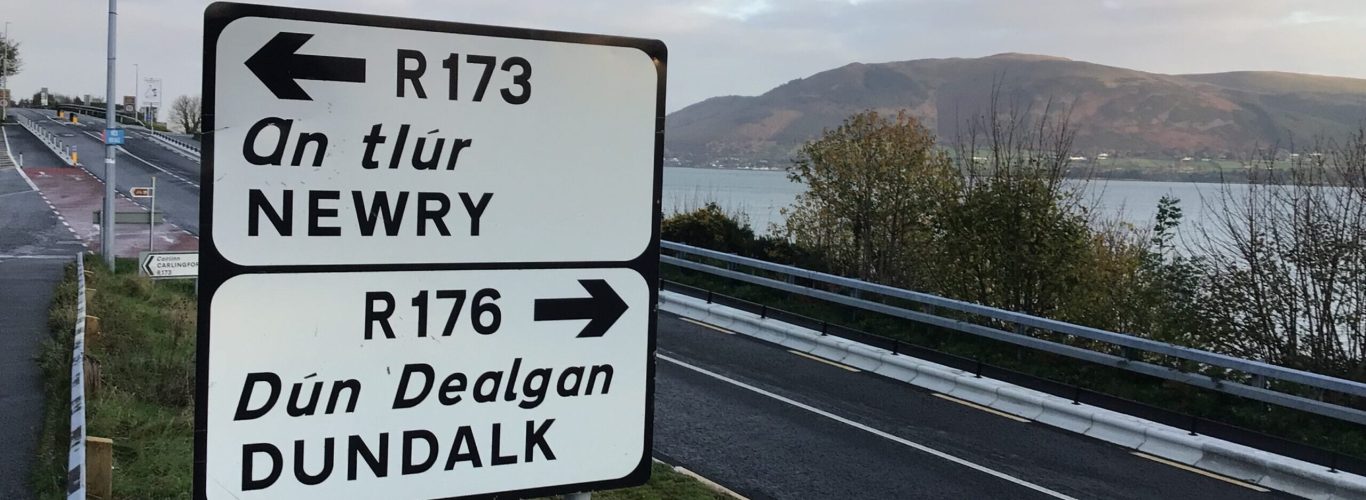
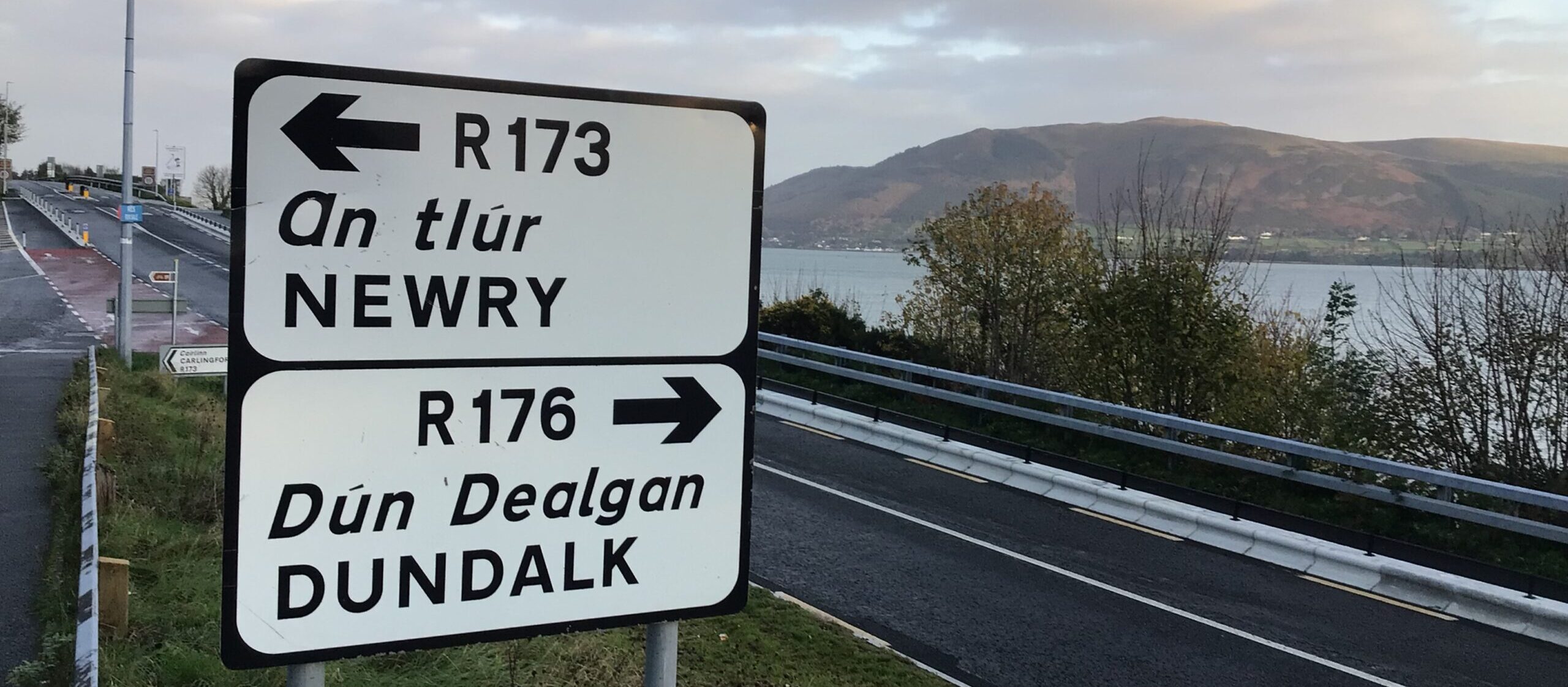
This is how a great many middle-class English people, particularly perhaps in small ‘c’ conservative environments, see the Irish situation. They see themselves as neutral observers of a sectarian landscape. The Irish border is perceived as something natural, even though in reality it’s a British border imposed on Ireland.
There’s very little understanding of that imposition or, if there is, it’s largely ignored. Sometimes when I hear educated English people speaking of Ireland, I wonder what shapes their mindset. Why are some so hot and bothered by China’s injustices against the Tibetans or Ukrainian suffering at the hands of the Russians, yet seem so ignorant of Ireland?
To be fair, this talk didn’t touch on any of those issues. But it seemed to emerge from that same comfortable assumption of British innocence, where the English observer is simply passing through someone else’s troubled history. Looking at some of the presenter’s other work, I found familiar pro-Union assumptions, including well-worn tropes about the Garvaghy Road, where sectarian tensions were presented as a consequence of changing demographics rather than a legacy of Empire.
When Northern Ireland is held in the English gaze, everything is framed through a sectarianism from which the observer remains detached. So many humble Englishmen, from Michael Portillo to Simon Reeve, have travelled across this morass of community division, reflecting on the awfulness of it all in those same detached tones.
The solution, too, is invariably framed in terms of an internal British settlement. The answer to the age-old Irish question is for the two sides to live together, as peacefully as the people of civilised nations do. The idea of an all-island solution rarely gets the same attention. Irish unity remains political, as if the status quo is apolitical.
But back to the talk and the travels of one Englishman along the Irish border. He’s not personally responsible for partition, and it’s not his job to educate people on Irish history. So where’s the problem in regaling an English audience with tales of the western extremities of the United Kingdom and its sleepy, sectarian world?
In some senses it’s harmless, comical too. But in others it’s not. Even unintentionally, these portrayals absolve Britain of responsibility. They feed the myth of British benevolence and neutrality in a battle between two warring tribes, a caricature that does little justice to either Unionists or those who identify as Irish.
Like an explorer encountering the peculiar customs of a distant people, the English traveller can marvel at the divisions without considering how they came about. Britain becomes the setting for the story, or even its referee, rather than one of its principal historical actors.
This is not neutrality. It is a particular political perspective masquerading as neutrality.
The border is simply there. Northern Ireland is simply British, for at least as long as people want it that way. Yet the old assumption that Catholics and nationalists will forever remain a minority seems remarkably resilient in parts of the English imagination. Demographics have changed, identities have evolved, but the familiar picture of a Protestant majority and troublesome Catholic minority seems almost fossilised. Irish unity becomes a departure from the natural order, while maintaining the Union is presented as common sense.
Russia occupies Crimea. China rules Tibet. Britain, meanwhile, has always been rather more fortunate in its choice of historical narrative. In Ireland, it is the guardian, the peacekeeper, the reluctant referee of other people’s quarrels, just as it brought the railways to India.
Importantly, this is not about denigrating Englishness or the British identity of people within Ireland, nor is it about overlooking the part that Irish people themselves played in British history, including the enforcement of Empire. It’s about shaking off parts of the past and challenging a mindset inherited from colonialism; one that recognises imperial aggression abroad while remaining strangely oblivious to its own history.
Perhaps it’s like the nosy neighbour obsessed with everyone else’s gardens while remaining blissfully unaware of what happened in their own backyard.
Recent events at Drumcree and the Garvaghy Road have brought some of that history back into focus, yet the familiar narrative of two warring tribes persists. It suggests many people in England remain a long way from understanding their government’s historical role in partitioning Ireland. Whether they particularly want to understand is another question.
Maybe they prefer travelling through an Ireland where sectarianism is treated like some self-inflicted potato blight. Or maybe the Irish take these things too seriously, bringing politics into acts of innocence. After all, what could be more innocent than an Englishman travelling along a border his own country created, and telling funny stories about it?


by Paul Breen
I recently attended an excellent talk by an English traveller who had spent time exploring the Irish border, amongst his many adventures. When talking about England, even Europe, he was very much at home, but when it came to Ireland, something else shone through.
To an English audience it was all perfectly innocent, heartwarming, apolitical stuff. And in many ways it was. Very funny, entertaining. But to the Irish ear, it sounded a bit pompous, patronising. Totally unintentionally, of course, and without malice. And very, very typical.
This is how a great many middle-class English people, particularly perhaps in small ‘c’ conservative environments, see the Irish situation. They see themselves as neutral observers of a sectarian landscape. The Irish border is perceived as something natural, even though in reality it’s a British border imposed on Ireland.
There’s very little understanding of that imposition or, if there is, it’s largely ignored. Sometimes when I hear educated English people speaking of Ireland, I wonder what shapes their mindset. Why are some so hot and bothered by China’s injustices against the Tibetans or Ukrainian suffering at the hands of the Russians, yet seem so ignorant of Ireland?
To be fair, this talk didn’t touch on any of those issues. But it seemed to emerge from that same comfortable assumption of British innocence, where the English observer is simply passing through someone else’s troubled history. Looking at some of the presenter’s other work, I found familiar pro-Union assumptions, including well-worn tropes about the Garvaghy Road, where sectarian tensions were presented as a consequence of changing demographics rather than a legacy of Empire.
When Northern Ireland is held in the English gaze, everything is framed through a sectarianism from which the observer remains detached. So many humble Englishmen, from Michael Portillo to Simon Reeve, have travelled across this morass of community division, reflecting on the awfulness of it all in those same detached tones.
The solution, too, is invariably framed in terms of an internal British settlement. The answer to the age-old Irish question is for the two sides to live together, as peacefully as the people of civilised nations do. The idea of an all-island solution rarely gets the same attention. Irish unity remains political, as if the status quo is apolitical.
But back to the talk and the travels of one Englishman along the Irish border. He’s not personally responsible for partition, and it’s not his job to educate people on Irish history. So where’s the problem in regaling an English audience with tales of the western extremities of the United Kingdom and its sleepy, sectarian world?
In some senses it’s harmless, comical too. But in others it’s not. Even unintentionally, these portrayals absolve Britain of responsibility. They feed the myth of British benevolence and neutrality in a battle between two warring tribes, a caricature that does little justice to either Unionists or those who identify as Irish.
Like an explorer encountering the peculiar customs of a distant people, the English traveller can marvel at the divisions without considering how they came about. Britain becomes the setting for the story, or even its referee, rather than one of its principal historical actors.
This is not neutrality. It is a particular political perspective masquerading as neutrality.
The border is simply there. Northern Ireland is simply British, for at least as long as people want it that way. Yet the old assumption that Catholics and nationalists will forever remain a minority seems remarkably resilient in parts of the English imagination. Demographics have changed, identities have evolved, but the familiar picture of a Protestant majority and troublesome Catholic minority seems almost fossilised. Irish unity becomes a departure from the natural order, while maintaining the Union is presented as common sense.
Russia occupies Crimea. China rules Tibet. Britain, meanwhile, has always been rather more fortunate in its choice of historical narrative. In Ireland, it is the guardian, the peacekeeper, the reluctant referee of other people’s quarrels, just as it brought the railways to India.
Importantly, this is not about denigrating Englishness or the British identity of people within Ireland, nor is it about overlooking the part that Irish people themselves played in British history, including the enforcement of Empire. It’s about shaking off parts of the past and challenging a mindset inherited from colonialism; one that recognises imperial aggression abroad while remaining strangely oblivious to its own history.
Perhaps it’s like the nosy neighbour obsessed with everyone else’s gardens while remaining blissfully unaware of what happened in their own backyard.
Recent events at Drumcree and the Garvaghy Road have brought some of that history back into focus, yet the familiar narrative of two warring tribes persists. It suggests many people in England remain a long way from understanding their government’s historical role in partitioning Ireland. Whether they particularly want to understand is another question.
Maybe they prefer travelling through an Ireland where sectarianism is treated like some self-inflicted potato blight. Or maybe the Irish take these things too seriously, bringing politics into acts of innocence. After all, what could be more innocent than an Englishman travelling along a border his own country created, and telling funny stories about it?